The Deva Science Method
An embodied methodology for the age of AI.
I created Deva Science to bring together what I have spent years studying, practicing and teaching: nervous-system regulation, somatic work, meditation, contemplative philosophy and embodied spirituality; in dialogue with neuroscience, psychology and academic research.
It is a practical pathway for working with the body, the mind and our inner life through four movements:
Regulate → Release → Rewire → Radiate
Experience Deva Science“Your Triggers are Your Biggest Teachers”
~ Andrés Galindo
In the age of AI, being human is a practice.
Technology is evolving extraordinarily fast. Being human should become equally intentional.
Artificial intelligence can extend our cognition, accelerate our work and carry part of our informational load.
But AI cannot inhabit our body for us.
It cannot breathe for us, feel our emotions, build our relationships, move through grief, experience love or decide what makes our life meaningful.
As more intelligence becomes available outside of us, I believe we need to become more intentional about cultivating what happens inside of us: attention, embodiment, discernment, relationship, presence and meaning.
This is why I see daily human ritual becoming increasingly important. Not as an escape from technology but a healthy a way of remembering how to remain deeply human while living with it.
Deva Science is not anti-technology. It is pro-human agency.
Deepen Your Human Practice
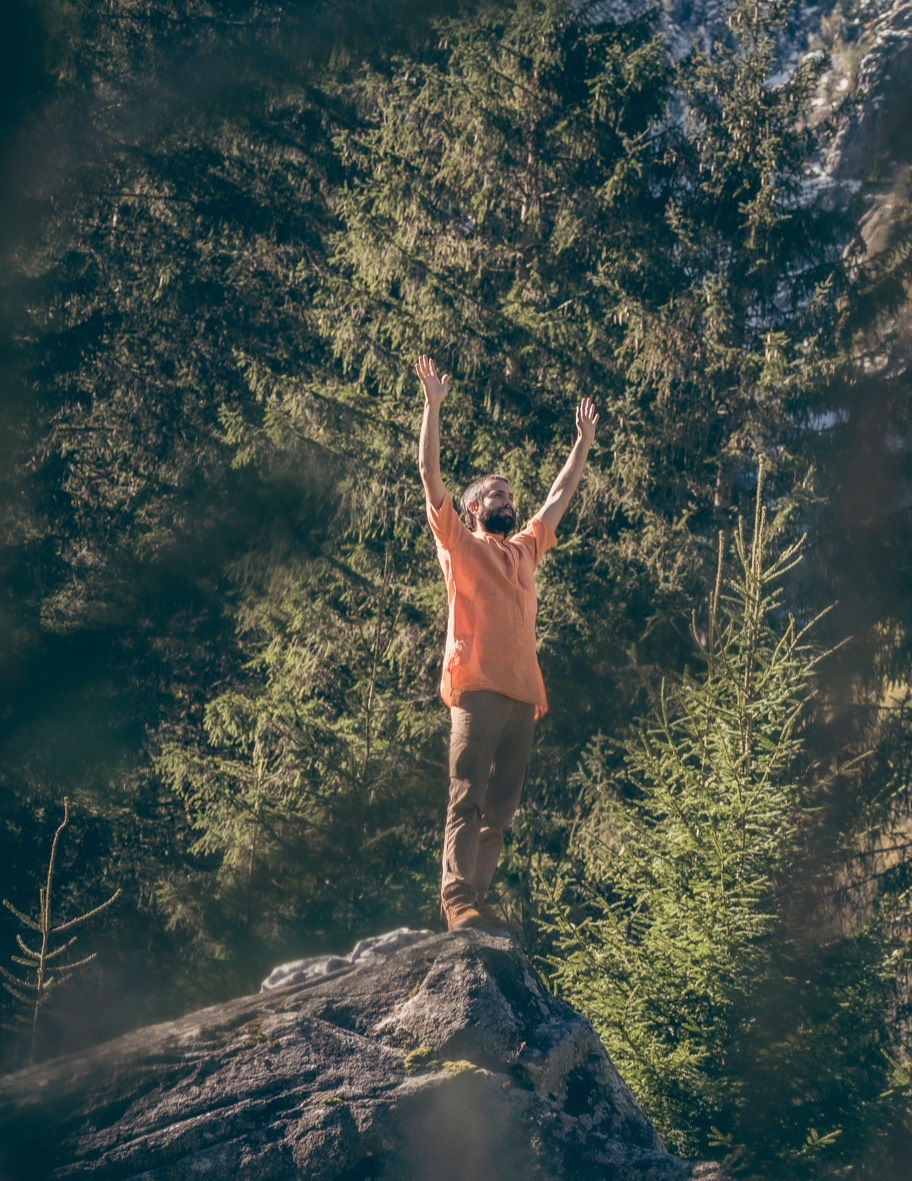
Before Deva Science was a method, it was my life.
Ten years of monastic practice taught me what repetition can do to a human being.
I spent ten years living as a monk in the Bhakti Yoga tradition. When you are a monk, spirituality is not something you occasionally think about. It becomes your everyday life. And requires an incredible amount of discipline, devotion, and determination:
You wake up and practice. You meditate. You study. You sing. You serve. You observe your mind. Work on your ego, and transform your thoughts, desires and mental/cognitive identity.
For years, I immersed myself in meditation, community service, spiritual discipline, Vedānta, Yoga, Sanskrit, Ayurveda, Astrology and contemplative philosophy.
That experience taught me something that still sits at the centre of Deva Science:
Transformation rarely comes from one extraordinary experience. It comes from what we repeatedly do with our attention, our body and our consciousness.
My own journey showed me another side of spiritual practice. Discipline alone is not enough. Spirituality alone does not show the full picture. Science is needed. Embodied rituals too.
We can become very spiritually developed in one dimension of ourselves while still carrying stress, emotional patterns, unresolved experiences and physiological responses that need to be met through the body. We call that a spiritual bypass. That realization radically changed the way I understood spirituality. Thus, I began asking a different question:
What happens when ancient contemplative practice enters into serious dialogue with the nervous system, psychology and neuroscience?
Read My StoryFrom Experience to Methodology
My contemplative practice eventually became an academic question.
Years after leaving monastic life, I continued exploring meditation from another perspective.
During my Bachelor of Applied Arts and Sciences in Human Consciousness at Maharishi International University, I developed my final project around meditation training.
For me, this was an important transition. I had spent years learning meditation experientially: practicing it, living it and teaching it.
Now I wanted to understand how to speak about meditation through cognition, physiology, the brain and contemporary research without losing the philosophical depth from which these practices emerged.
That process helped me organize years of contemplative experience into a clearer educational framework.
It became the foundation of what I now call NeuroVedanta. And NeuroVedanta became one of the central components of the wider Deva Science Method.
My work did not move from spirituality to science. Rather, it became a dialogue where they speak to each other. I do not see science and spirituality divorced, but the same truth speaking in two different languages.
Explore Trainings
Deva + Science
Contemplative wisdom meets embodied experience.
The name itself contains the philosophy of the method.
Deva is a Sanskrit word associated with the divine, the luminous and the celestial.
For me, Deva represents consciousness, meaning, inner life and the dimension of human experience that cannot always be reduced to measurement. Multidimentional layers of thye truth, co-existing one with the other, playing, perhaps dancing.
Science represents inquiry. Observation. Evidence. Curiosity. Discernment. The willingness to investigate our assumptions and change our understanding when new information appears.
Deva Science lives in the conversation between evidence and experience.
I am interested in what can be measured. And I am equally interested in what must be experienced.
Some dimensions of being human can be measured. Others must be lived. We need both.
Science Beyond Reductionism. Spirituality Beyond Bypassing.
Two languages for investigating the same human life, without pretending they are identical.
I do not use neuroscience to prove spirituality.
And I do not use spirituality to replace psychology, medicine or scientific inquiry.
I use science to help us understand dimensions of the human experience that can be investigated through physiology, cognition, behaviour and the nervous system.
I use contemplative traditions to investigate questions of consciousness, meaning, ethics, attention, identity, devotion and the inner experience of being alive.
Sometimes these worlds overlap. Sometimes they do not.
Deva Science allows them to remain in dialogue without forcing one to become the other.
That distinction matters to me. Because I believe we can be spiritually open without abandoning critical thinking. And scientifically rigorous without reducing the human being to chemistry alone.
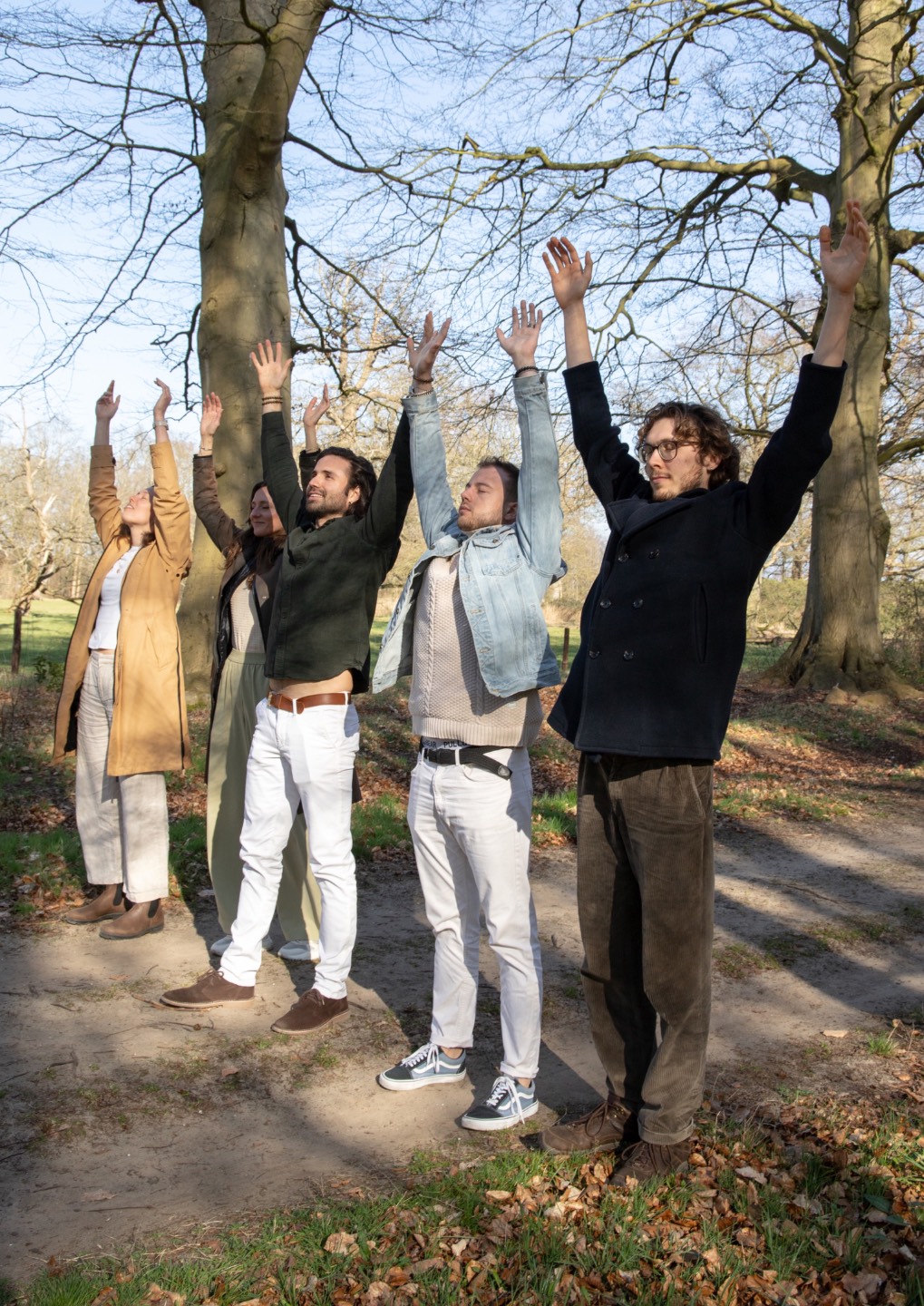
Regulate→ Release→ Rewire→ Radiate
Four movements for working with physiology, experience, learning and expression.
1.Regulate
Physiology before performance.
State first. Regulation is the foundation. Through breath, somatic awareness and nervous-system education, we learn to create safety, recover focus and return to steadiness under pressure. Based on Polyvagal Theory & Somatics, we ground first allowing the feeling of safety and homeostasis.
2.Release
What cannot be thought through may need to be felt through.
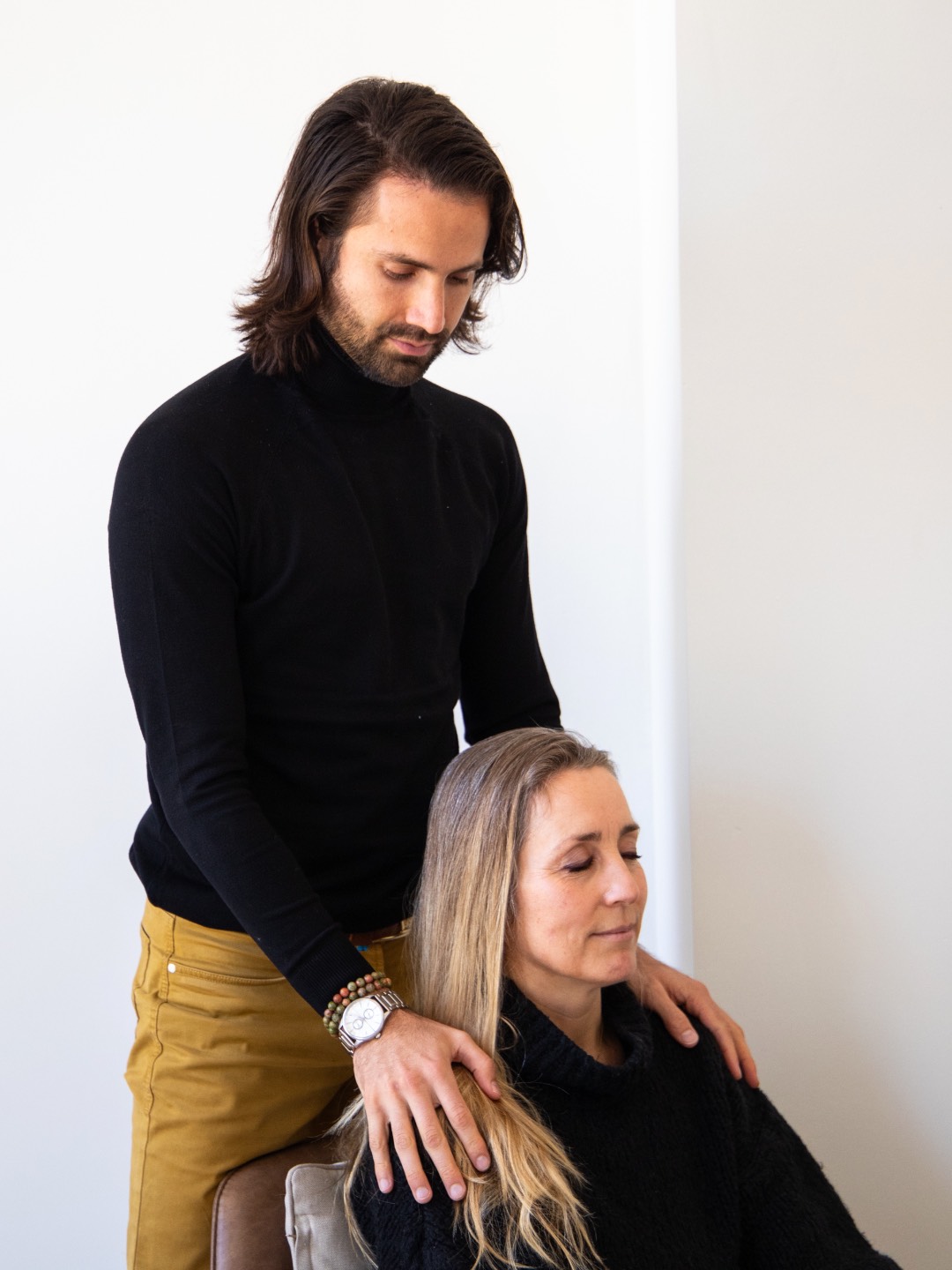
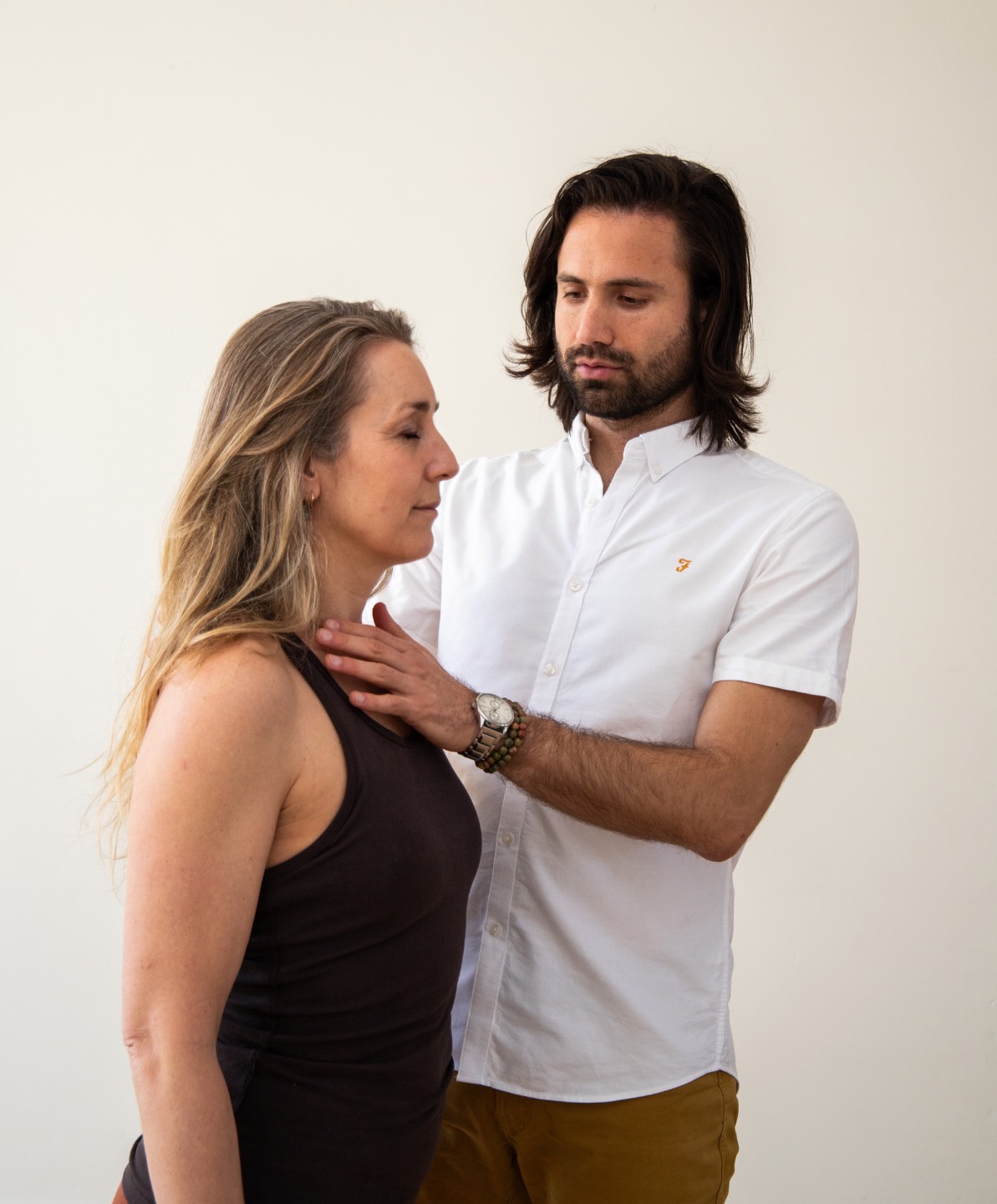
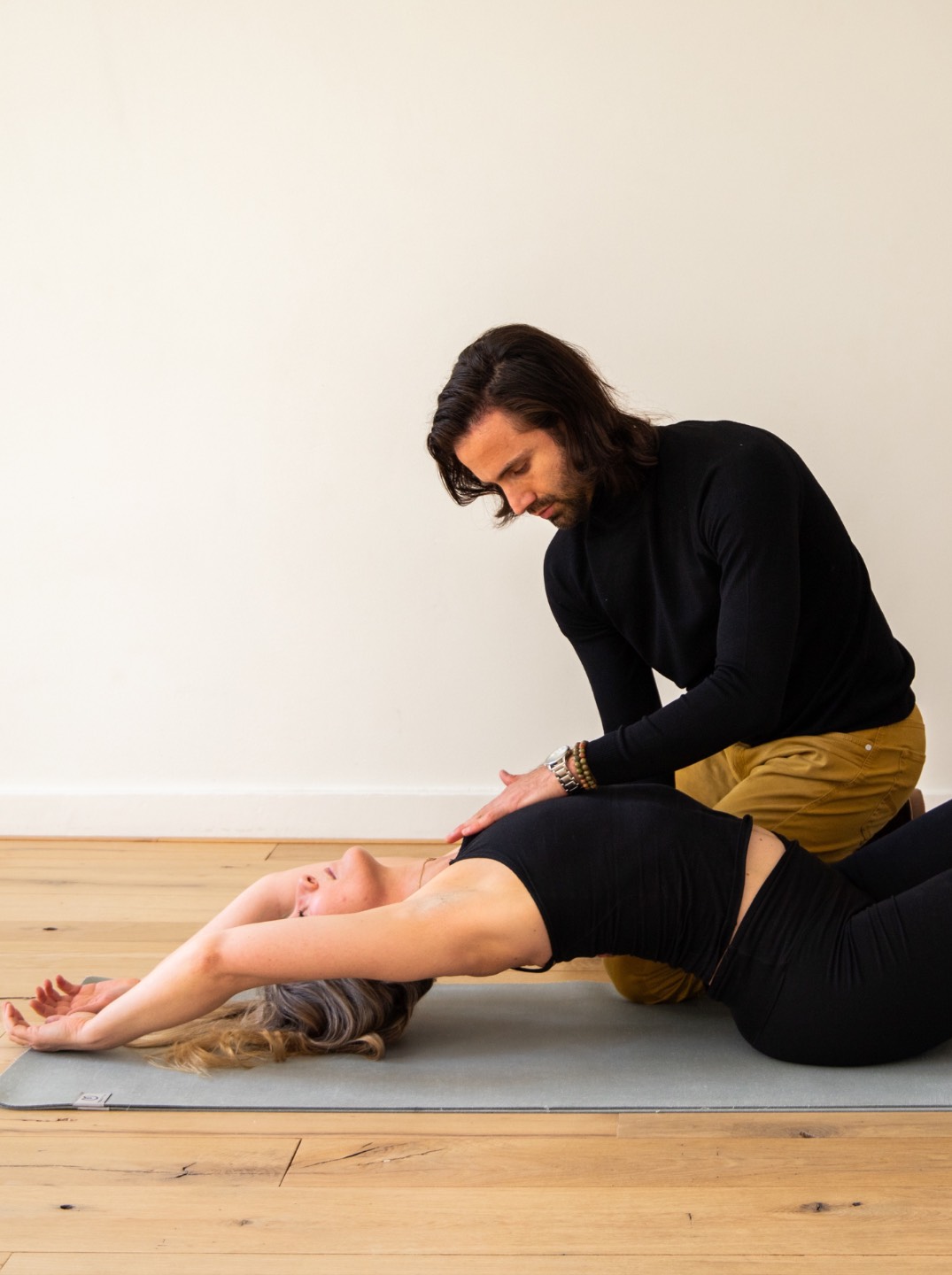
The body stores stress, emotion and unfinished survival responses. Through gentle movement, TRE (tension/trauma release exercises), embodied practice and guided relaxation, we create space for tension to unfreeze and unwind .
3.Rewire
What we repeatedly practice becomes increasingly available.
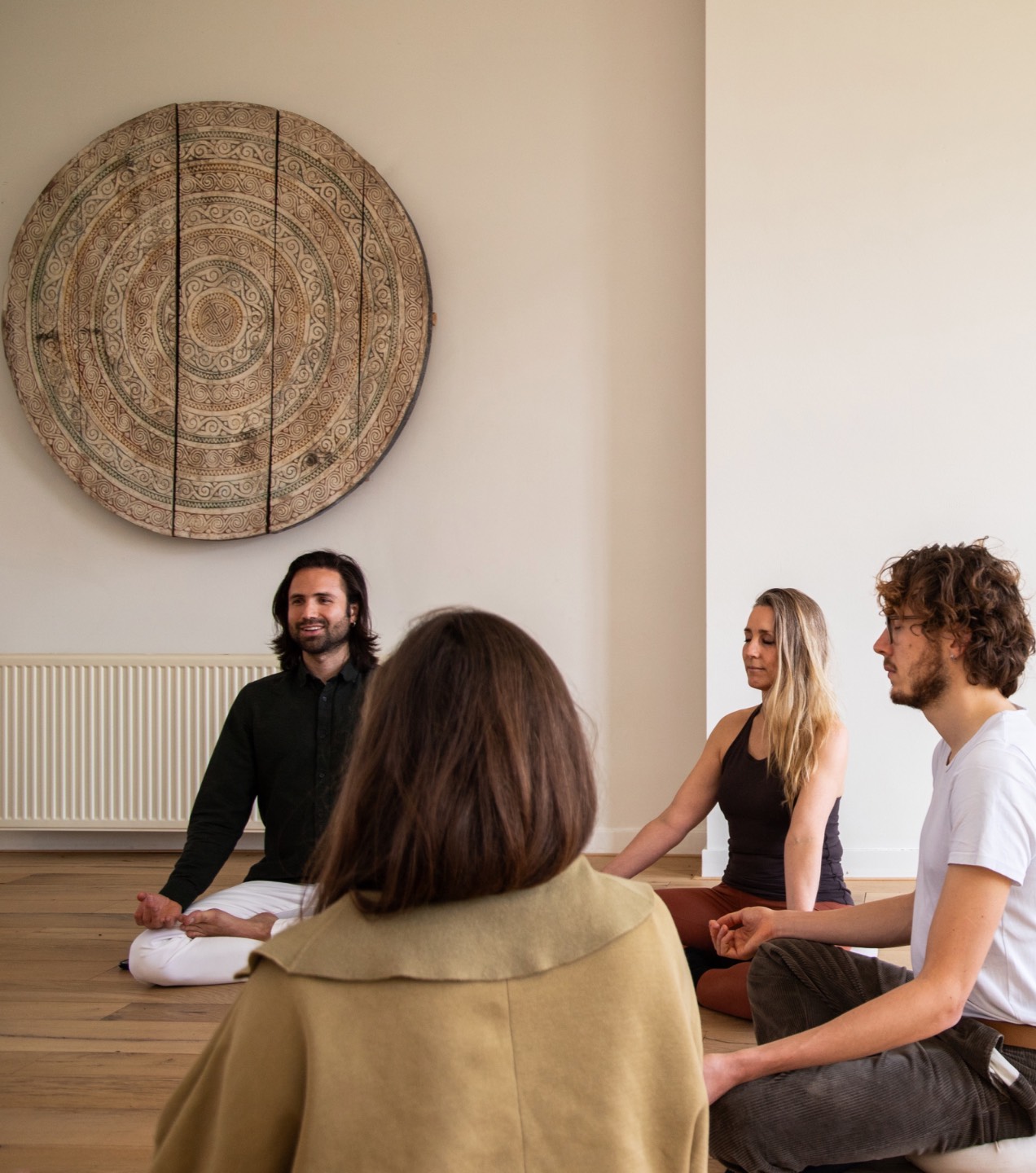
Once there is greater physiological capacity, we can work more intentionally with attention, perception and behaviour. This is where I use meditation, mantra, intention, contemplative inquiry, visualization, reflection and repeated daily practice.
Not because one positive thought magically changes our life.But because what we repeatedly attend to influences what we notice, what we practice, how we interpret experience and how we respond.
4.Radiate
Inner work becomes meaningful when it enters everyday life.
A profound meditation is beautiful. But the real question comes afterwards.
How do I speak? How do I relate?
How do I lead? What do I create?
What happens when conflict arrives?
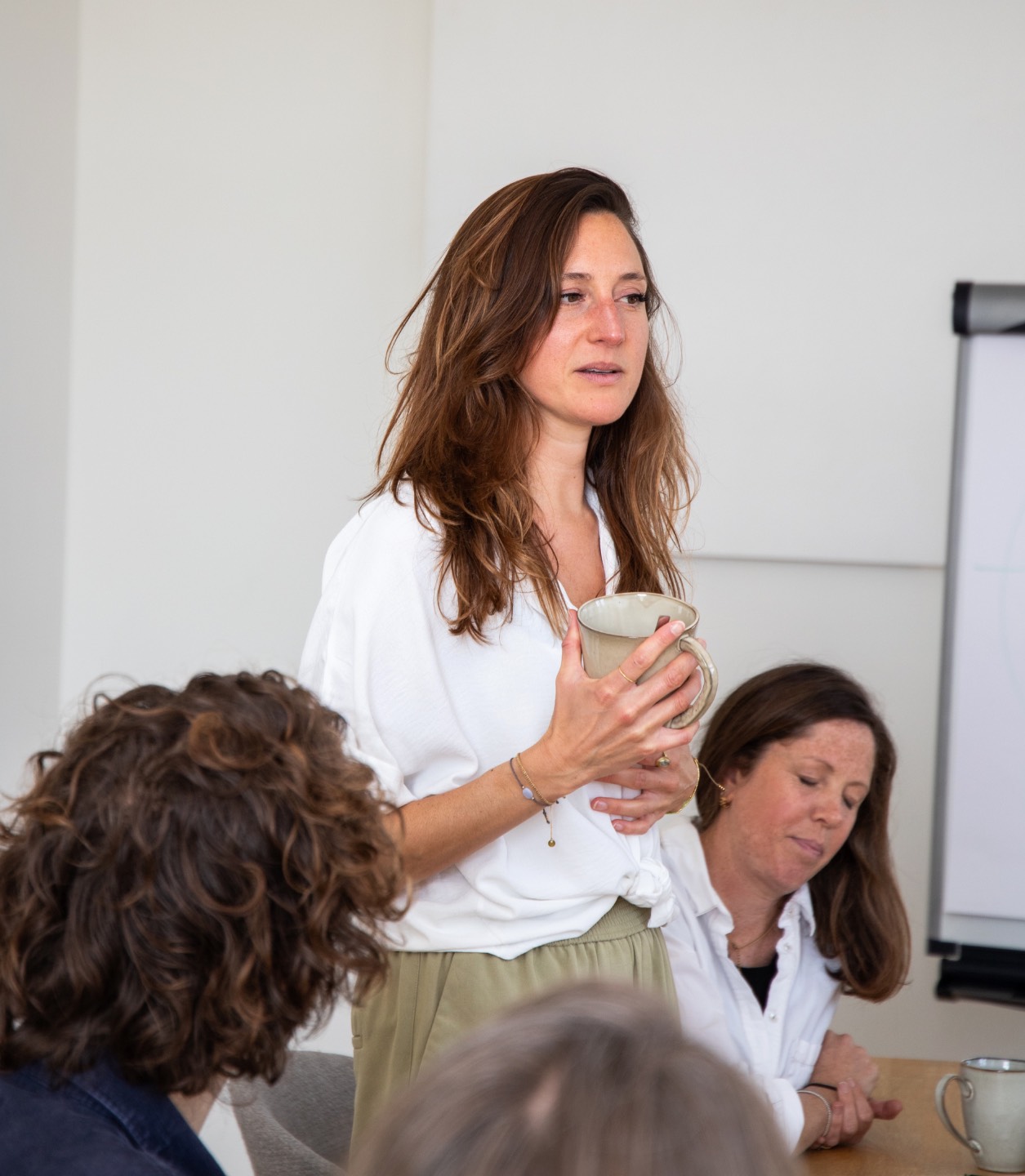
Radiate is the movement from inner practice into relationships, creativity, leadership, service and everyday decisions.
Transformation becomes tangible in the way we live.
Physiology→ Integration→ New Programs→ Expression
“Your Biggest Challenge is the Doorway to Your Greatest Superpower”
~ Andrés Galindo
Ritual as the Technology of Repetition
A practice becomes transformative when it becomes part of the way we live.
When I speak about ritual, I am not necessarily talking about religion.
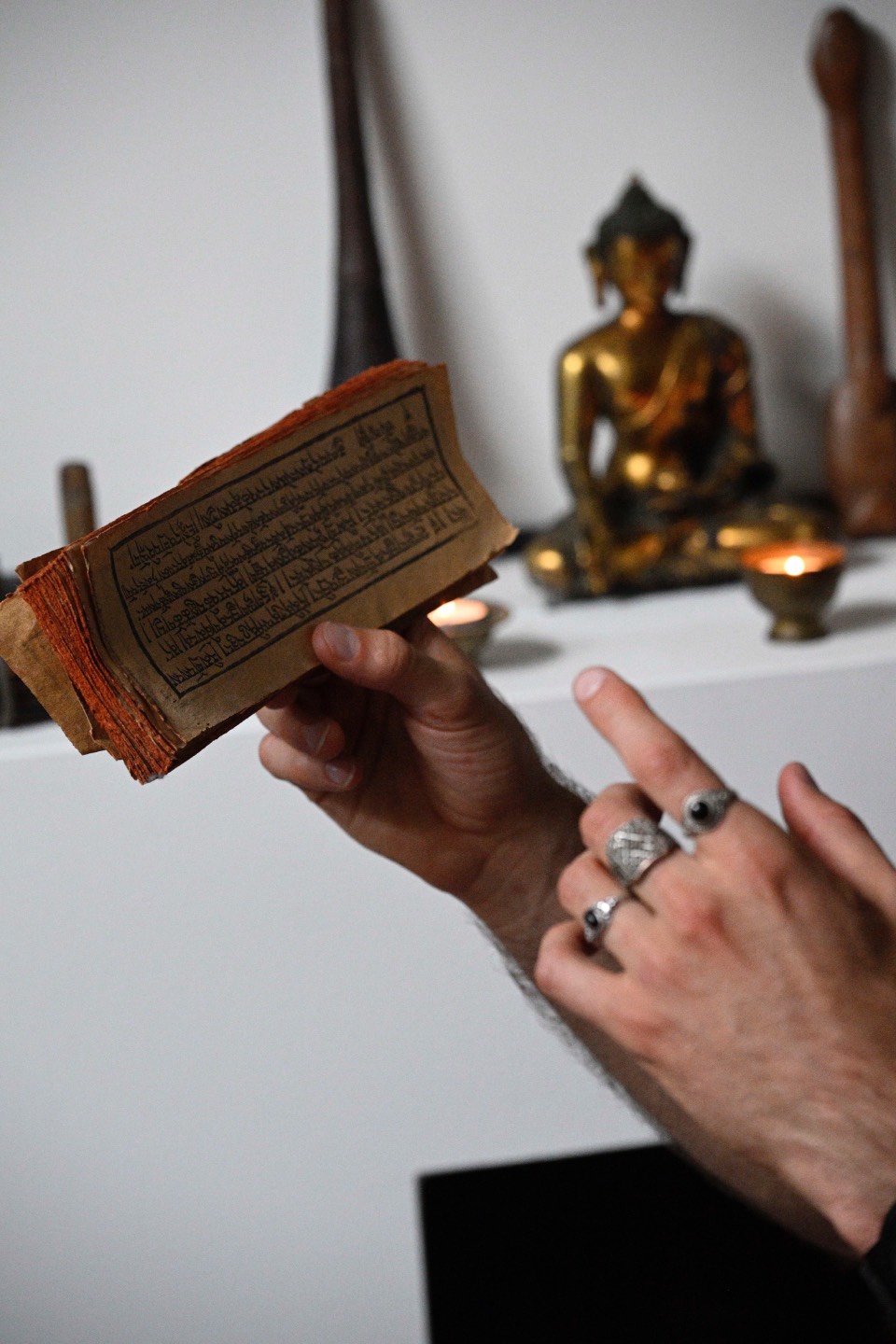
I am talking about creating intentional, meaningful moments in our lives where body, attention and presence meet.
A breath. A mantra. A morning meditation. An inspirational quote.
A walk. A song. A moment of silence before entering a meeting.
A practice we return to when life becomes difficult.
Recent studies show how rituals help physiological regulation, emotional homeostasis, performance and social connection. Thousands of years ago, contemplative traditions already understood something very simple :
We become shaped by what we repeatedly practice.
In Sanskrit, sādhana refers to spiritual practice: the discipline through which an inner intention gradually becomes embodied.
This principle sits at the heart of Deva Science.
Explore 1:1 SessionsNeurovedanta
The contemplative branch of Deva Science.
NeuroVedanta grew from my years of monastic meditation practice and was later structured through my academic work in human consciousness.
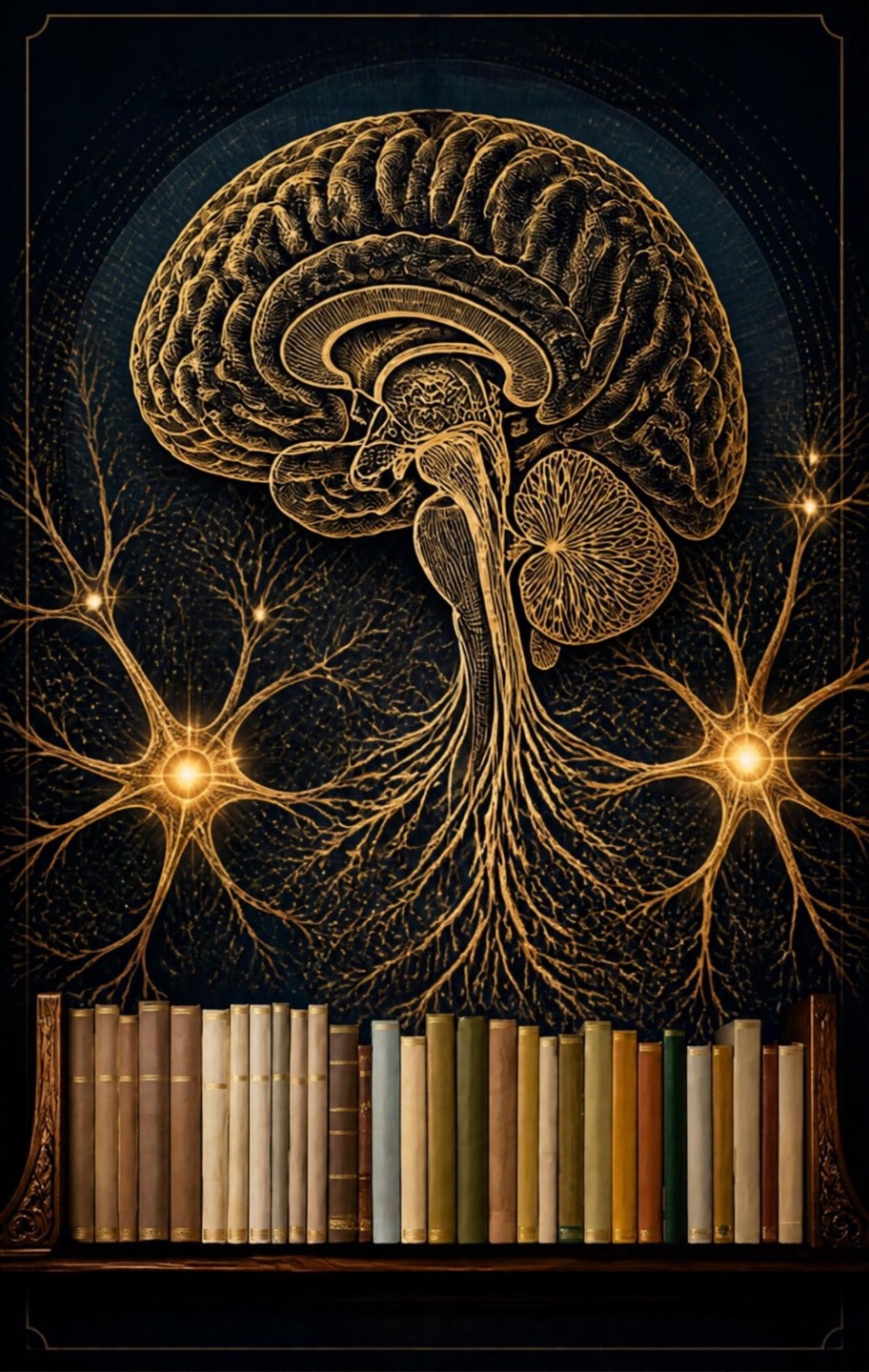
It brings together mantra, meditation, breath, intention, gratitude, attention and contemplative self-inquiry with contemporary conversations around cognition, physiology and meditation research.
I use the word Neuro because I also want students to understand what we currently know, and what we do not yet know, about meditation, the brain and the nervous system.
I use the word Vedanta because my contemplative background emerges from the Indian philosophical traditions that have shaped the way I understand consciousness and self-inquiry.
Meditation is not one single neurological activity.
Different practices train different dimensions of attention and experience, and scientific research continues to investigate their psychological and physiological effects.
Meditation is both an experience to enter and a phenomenon we can investigate.
Explore Neurovedanta Training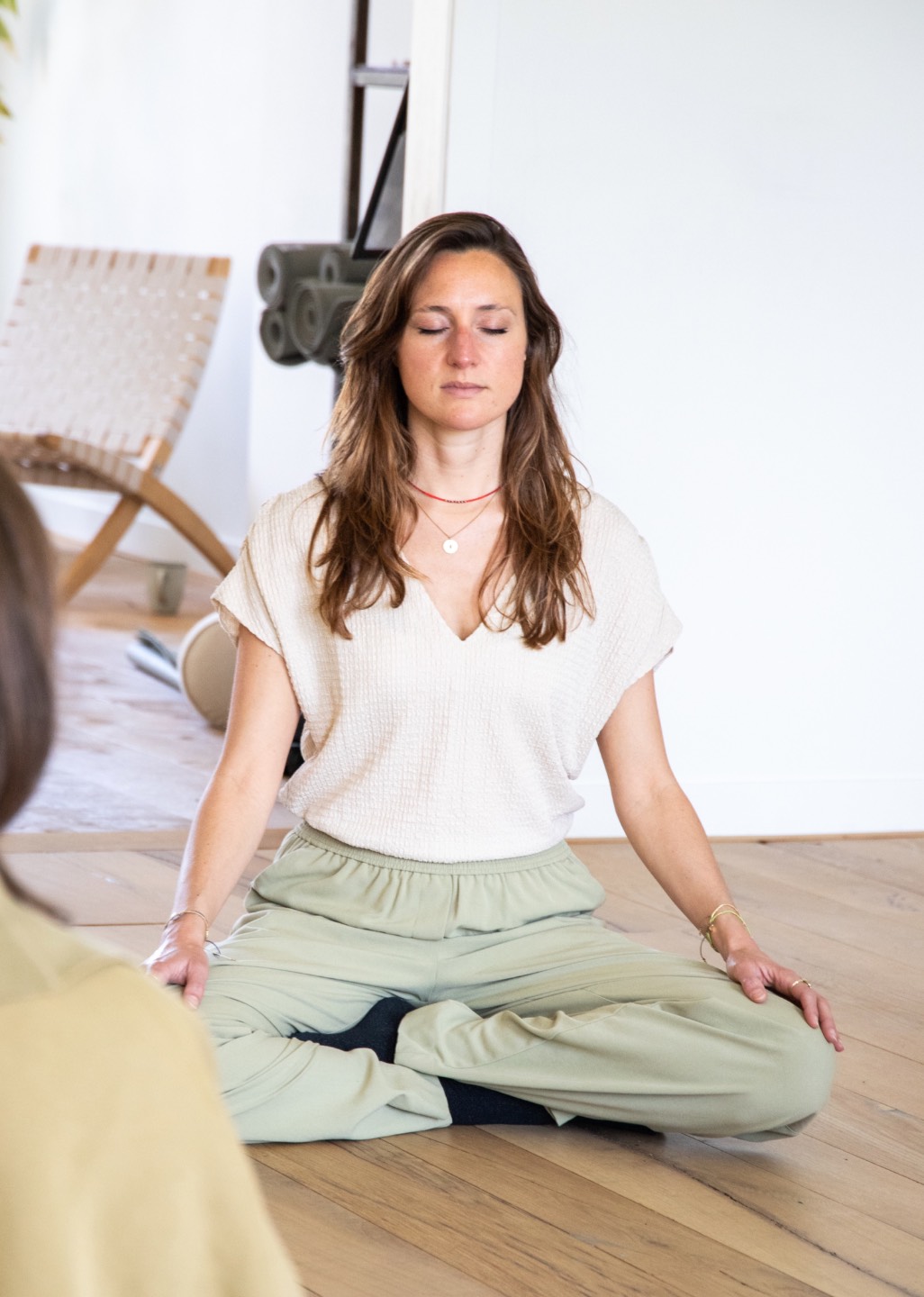
Ancient Practice within Modern Academic Inquiry
The thinkers, traditions and research conversations behind my work.
Deva Science is my own synthesis, but it did not emerge in isolation. My work has been shaped by contemplative traditions, teachers, scholars, psychologists and researchers who have spent decades asking different versions of the same question:
What helps a human being transform? My intellectual landscape includes work around:
Nervous system & embodiment
Stephen Porges · Bessel van der Kolk · Peter Levine · Tony Robbins · Joe Dispenza · contemporary interoception & breath research
Meditation & consciousness
Daniel Goleman · Richard Davidson · Fred Travis · meditation and contemplative-science research
Yoga & contemplative philosophy
Patañjali · Vedānta · Edwin Bryant · James Mallinson · Christopher Wallis · Sanskrit contemplative traditions
Psychology & Esoteric Studies
Thomas Hübl · Carl Jung · Viktor Frankl · Cristina Casanova · Humanistic and transpersonal psychology · Wouter Hanengraaff · Dylan Burns
I also remain interested in contemporary teachers and authors who explore belief, behaviour, human potential and personal transformation. I do not agree with every claim made within every tradition or by every author I study.
That is precisely the point. Deva Science is an evolving inquiry.
Explore My ArticlesDeva Science Testimonials:
Karina Rubi
Business Owner, Buenos Aires
"I'm impressed by the profound and punctual transformation I had from the 1:1 sessions. I currently use Deva Science's method and highly recommend it "
Ali Grumeth
Music Producer, Vienna
"I got clarity and confirmation of what I already felt deep inside, but did not dare to trust my inner voice. It felt very good to walk out of every training session with solid confidence"
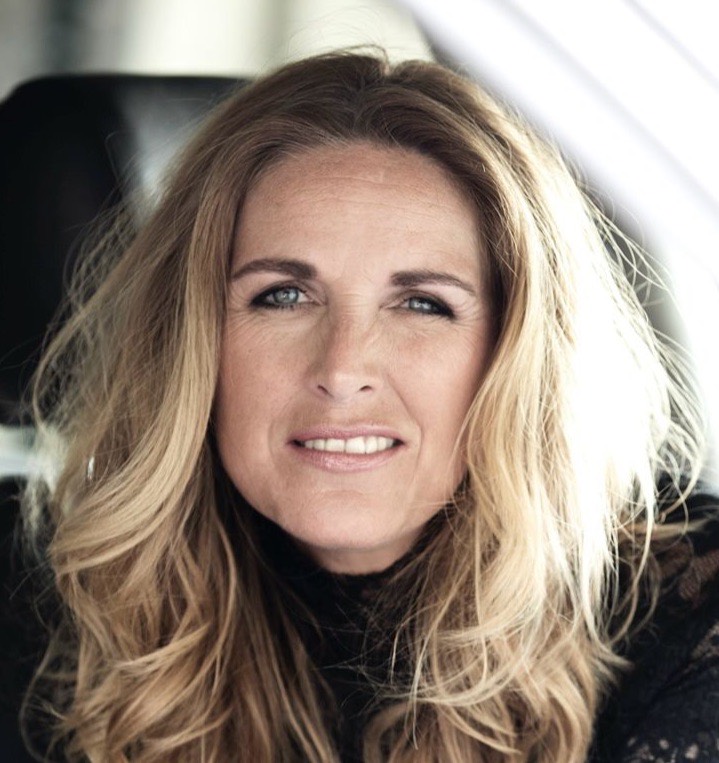
Nathalie Lans
Writer, Netherlands
“His practical techniques combined with scientific perspectives have brought me depth, focus, and self-love. Andres is an experienced, well-read, and inspiring teacher.”
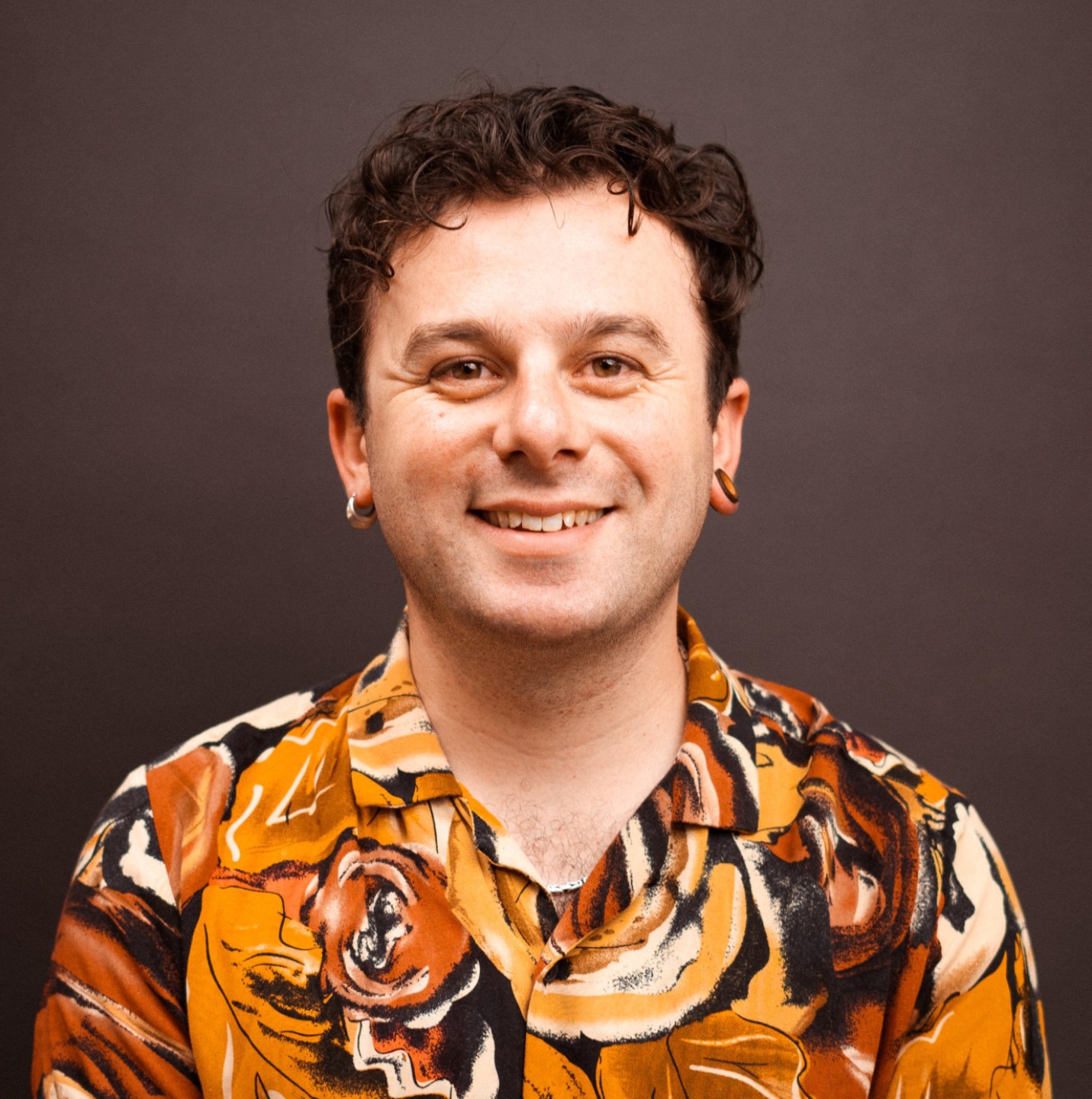
Keli Woods
Musician and Producer, London
"His programs combine practical insight and wisdom, offering clear guidance with warmth, compassion, and straightforward communication"
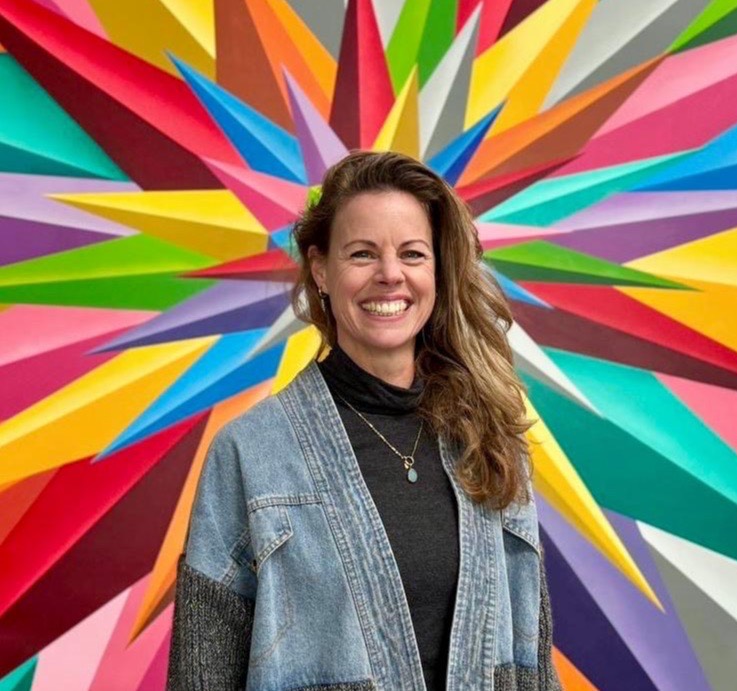
Reanne Creyghton
HR Advisor, Netherlands
"His courses gave me exactly what I needed at the right moment. A deep dive inside and insight"

Anitra Häring
Model, Mallorca
"Uncovered core themes in my life with stunning precision & warmth that continues to echo through my daily choices, gently guiding me forward"
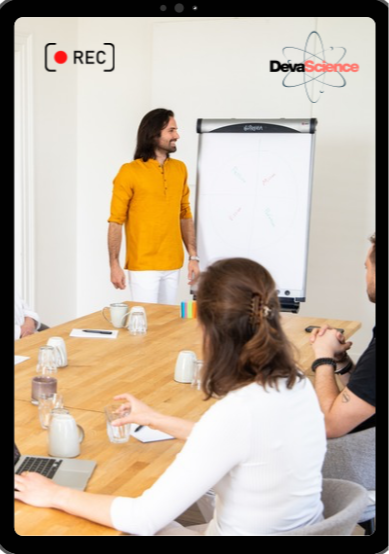
Free Masterclass
Format: · 40 Minutes · Online · Beginners
A 40-minute introduction to nervous-system resilience, modern stress, emotional regulation and the Deva Science Method. Best for people who are new to Deva Science and want a clear starting point.
